The Physics of a Blister
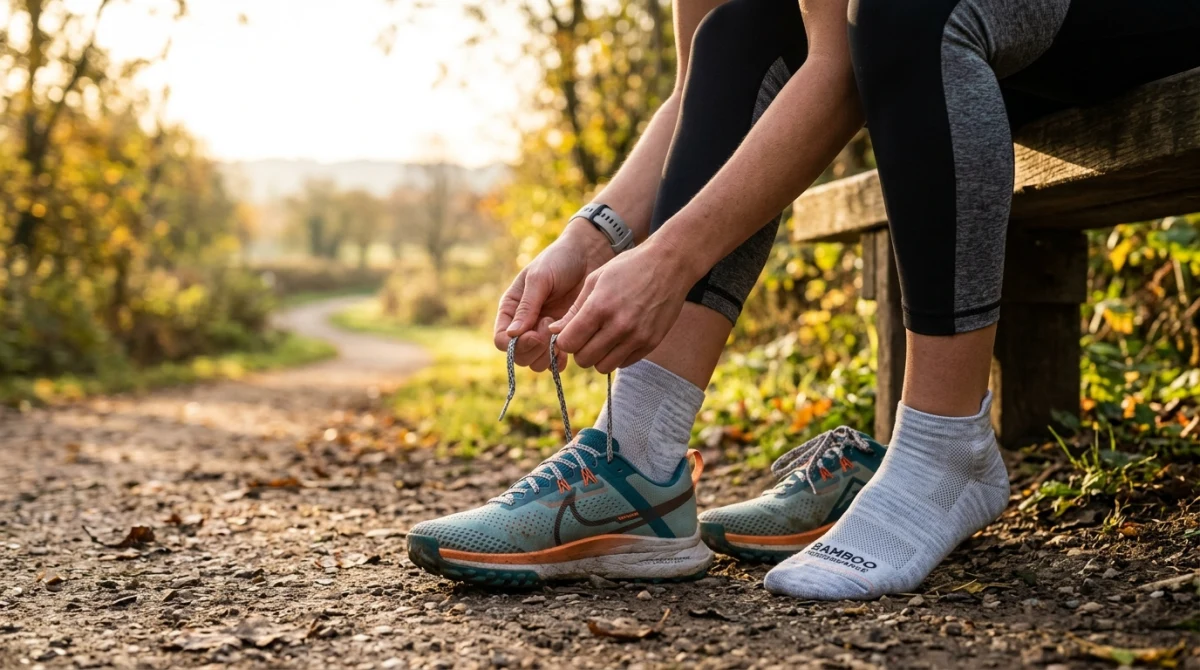
Every active runner, gym enthusiast, and daily walker has experienced the painful sting of a foot blister. But what actually causes it? A blister is the result of mechanical shear stress combined with excess moisture and heat:
- Friction: Repeated micro-rubbing between sock fibers and the upper layers of your skin creates microscopic tears.
- Moisture: Damp skin has a significantly higher coefficient of friction than dry skin, making it substantially weaker and prone to tearing.
- Pressure Ridges: Any raised surface—such as the standard bulky seam across your toe line—concentrates friction onto a single point.
Machine Sewing vs Hand-Linked Seams
Conventional mass-market sock machines close the toe by sewing the top and bottom fabric together with a thick overlock thread. In contrast, Hand-Linked Toe construction links each individual stitch together by hand, resulting in an entirely flat, ridge-free seam that is virtually undetectable to your toes.
Zero-Chafe Performance with Bamboo Viscose
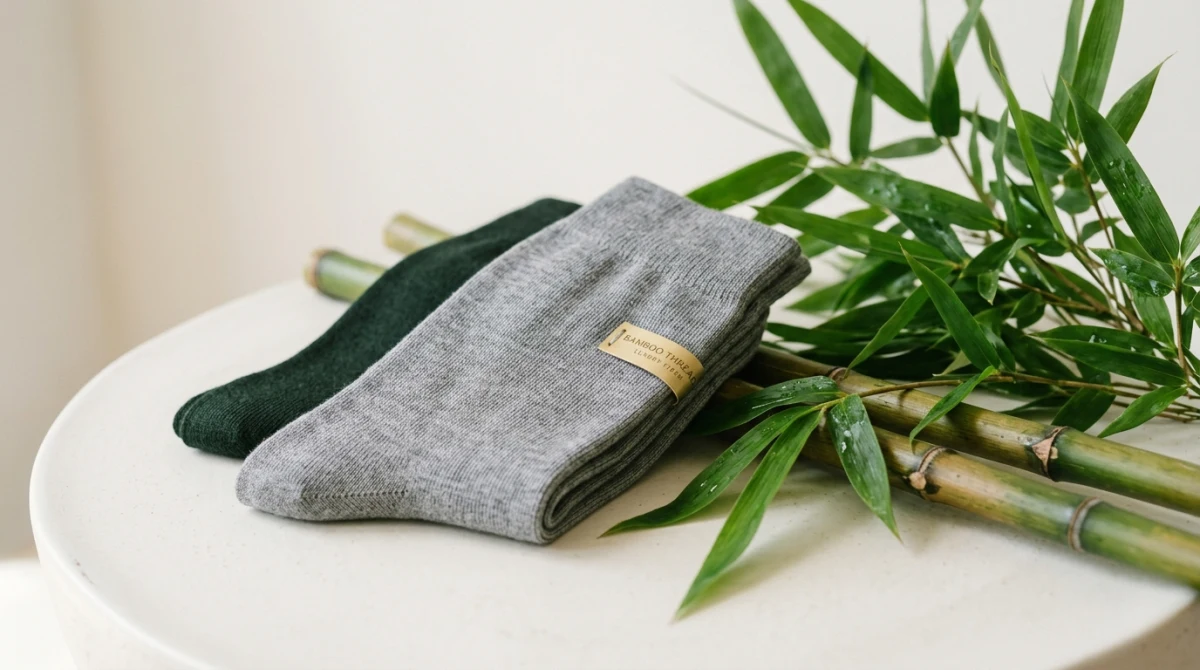
When combined with hand-linked toes, bamboo fiber elevates blister prevention to a whole new tier. Because bamboo threads are rounder and smoother than coarse synthetic acrylics or rough cotton, there are no abrasive fiber ends to abrade sensitive skin during intensive foot strikes.
3 Pro Tips for Long-Distance Comfort
- Ensure Correct Sock Fit: A loose sock bunches up inside the shoe, creating new friction folds. A tight sock stretches the fabric thin and accelerates wear. SOX N SOX socks feature an elasticated arch band that hugs your instep firmly.
- Avoid 100% Synthetic Socks: Polyester and nylon retain heat and slide against damp skin, raising skin surface temperature and promoting blister formation.
- Rotate Pairs: Allow your footwear and socks adequate time to breathe between long runs or workout sessions.